
Why do Menopausal Weight Gain and Mood Swings Occur Together?
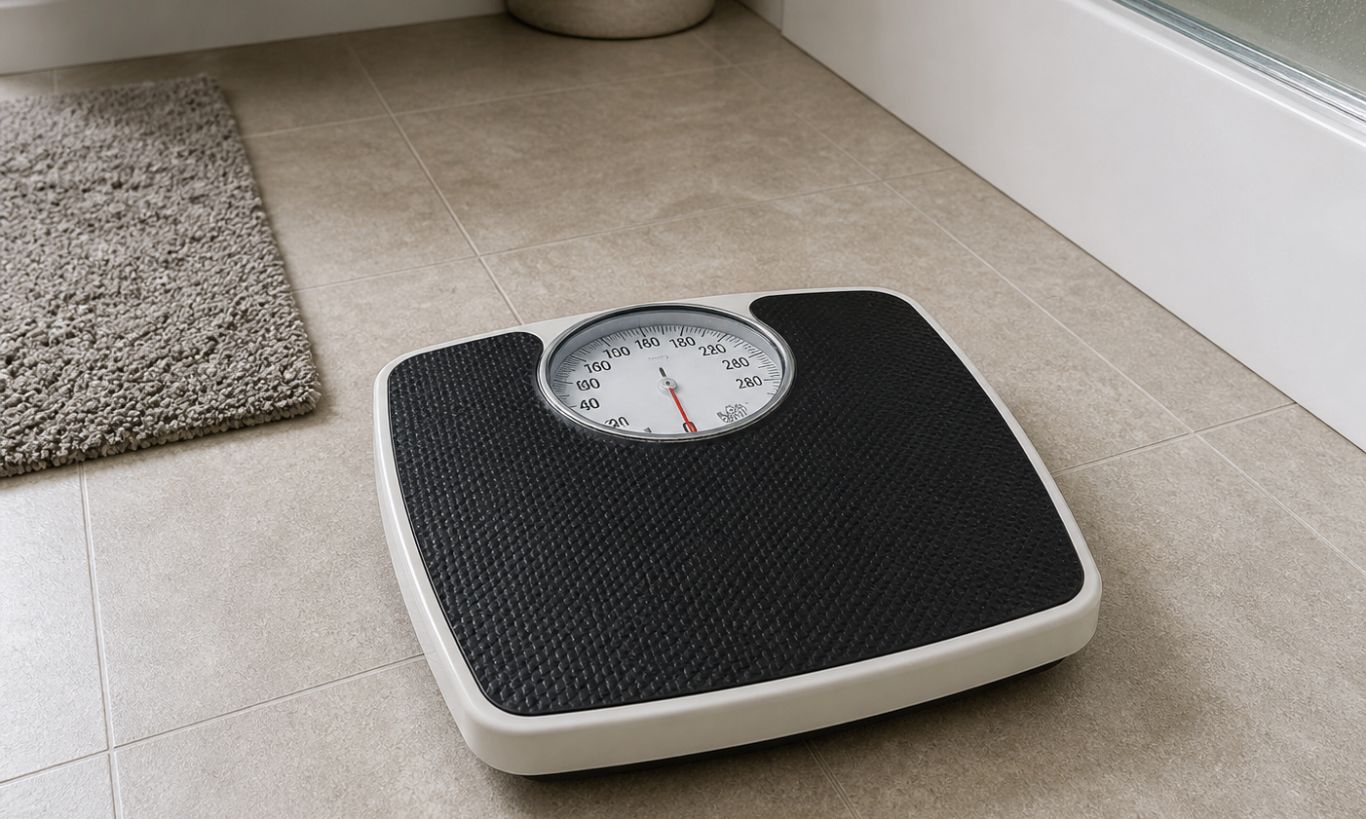
Many women in their 40’s and 50’s complain that they continue to gain weight and have changes in their mood. They might not have changed their diet at all but the number on the scale keeps creeping up. Their mood is low, irritable, anxious, and on-edge.
If you feel like you are grappling with a more recent increase in belly fat while simultaneously feeling more irritable, anxious, or depressed than usual, you are not alone. Perimenopause and menopause involve a massive hormonal shift that directly links physical body changes to mental health. In short, it is a "perfect storm" of hormonal and metabolic shifts.
Here’s what’s happening in relation to the weight gain:
- As estrogen levels drop, the body changes how it stores fat, moving it from the hips and thighs to the abdomen. This type of fat (called visceral fat) is more stubborn to lose.
- The amount of lean muscle mass in the body decreases with menopause. Less lean muscle results in a decrease in our metabolism. You end up burning fewer calories when you’re in a resting state.
- You actually do feel more hungry! With the drop in estrogen, two key hunger hormones are effected: Leptin is lowered; this hormone makes you feel full. Ghrelin is increased; this hormone makes you feel hungry. The result is more food cravings.
The same hormonal changes causing weight gain also play a major role in your mental health, resulting in you not feeling like yourself.
- Serotonin and dopamine are two neurotransmitters in the brain that are responsible for regulating mood and alertness. The drop in estrogen often leads to lower serotonin levels, triggering anxiety, depression, and irritability in many women.
- Many women during the perimenopausal and menopausal period are enduring high levels of stress. They are managing their work, families, homes, and various care-taking responsibilities. Chronic stress raises cortisol (our stress hormone,) which triggers the storage of belly fat and also contributes to further lowering mood.
- Women in midlife get caught in the poor sleep-increased appetite-poor mood cycle. Hormonal shifts during this period cause hot flashes, night sweats, and insomnia due to anxiety. Poor sleep sadly becomes the norm. With worsening sleep comes lower energy and increased cravings for high-sugar/carb foods the next day. The cycle of irritability and emotional eating begins.
What can we do about managing weight and mood together?
Here at Northeast Women’s Psychiatry, we are skilled at looking at the big picture. Danielle Cogliano, NP has worked with many women over the years with symptoms just like yours. It’s important to get a thorough assessment that takes into consideration your mental health history, current mood symptoms, health history, reproductive stage, and lifestyle factors. Nutrition, sleep, and physical activity levels are assessed. Situational and relational stressors need to be evaluated. Once Danielle has identified the priority areas, it may be recommended that a woman make some behavioral changes that could augment psychiatric medications or hormonal supplementation:
- Prioritizing strength training to increase lean muscle mass (which burns more calories than fat does).
- Optimizing nutrition to maintain muscle mass and to stay full. We do this by focusing on getting enough protein, increasing fiber and healthy fats, and reducing sugar in our diets.
- Managing stress levels (and thereby cortisol.) Women can keep cortisol levels low (reducing the dreaded bump in belly fat) and reduce anxiety by getting regular exercise, doing yoga, and practicing meditation/mindfulness.
- Improving what we clinicians call “sleep hygiene” in order to help ward off insomnia. This involves managing stress before bedtime, going to bed at the same time every night, keeping the bedroom cool and dark, and not using screens in the bedroom.
For many women, the cycle of midlife weight gain and mood changes is discouraging and has a dramatic impact on functioning. There can be relief, however. Speaking to a skilled professional at Northeast Women’s Psychiatry about the symptoms you are experiencing is the first step in getting an integrative take on women’s mental health care.