
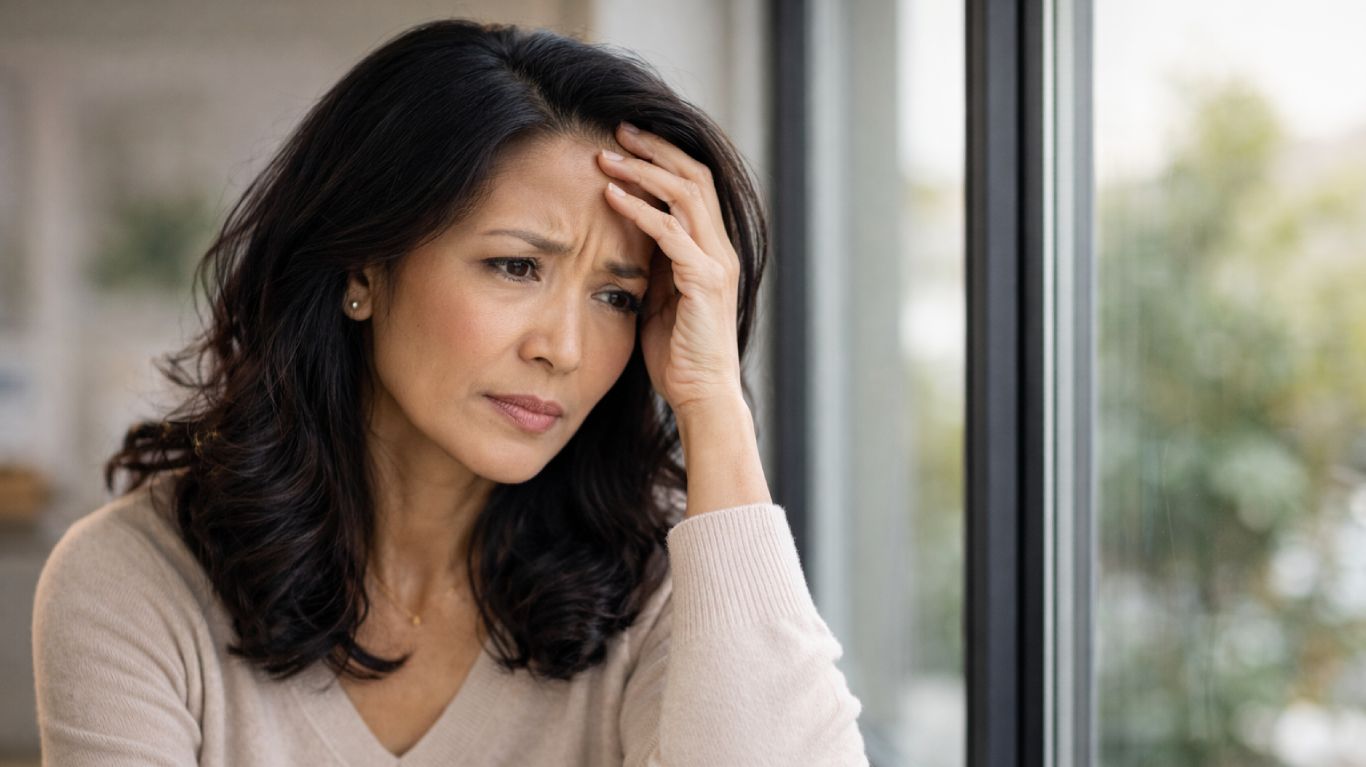
What’s the connection between perimenopause and mood changes like anxiety and irritability?
Perimenopause is the transitional period leading up to menopause. It can begin several years before your final menstrual period, typically in your 40s, but sometimes as early as the 30s. During perimenopause, your ovaries gradually produce less estrogen, and you have fewer or less consistent ovulations, leading to hormonal fluctuations that cause a variety of symptoms.
Some of the symptoms of perimenopause can involve new or recurring episodes of depression, anxiety, and even psychosis in some women. Women with a history of mood sensitivity, such as premenstrual mood changes or postpartum depression, are more likely to experience mood disturbances during perimenopause.
But why??? When estrogen and progesterone hormone levels drop during perimenopause, serotonin levels also fall, contributing to increased irritability, nervousness and anxiety. Simply put, we need estrogen and progesterone around to make sure serotonin is available for our cells to use. (The hormones act as regulators of serotonin.) Without available serotonin (a neurotransmitter responsible for mood stability), what results is an increase in anxiety and irritability.
What can we do about it? During or after perimenopause, antidepressant medications can help with anxiety symptoms. Medications that provide your body the hormone estrogen may help too. In some cases, anti-anxiety medications may be prescribed to manage symptoms. There are also some nutritional supplements and herbs that can help some women. For many women, having your provider help you make individualized behavioral changes in sleep, physical activity, nutrition, and stress management can assist in symptom management too.