
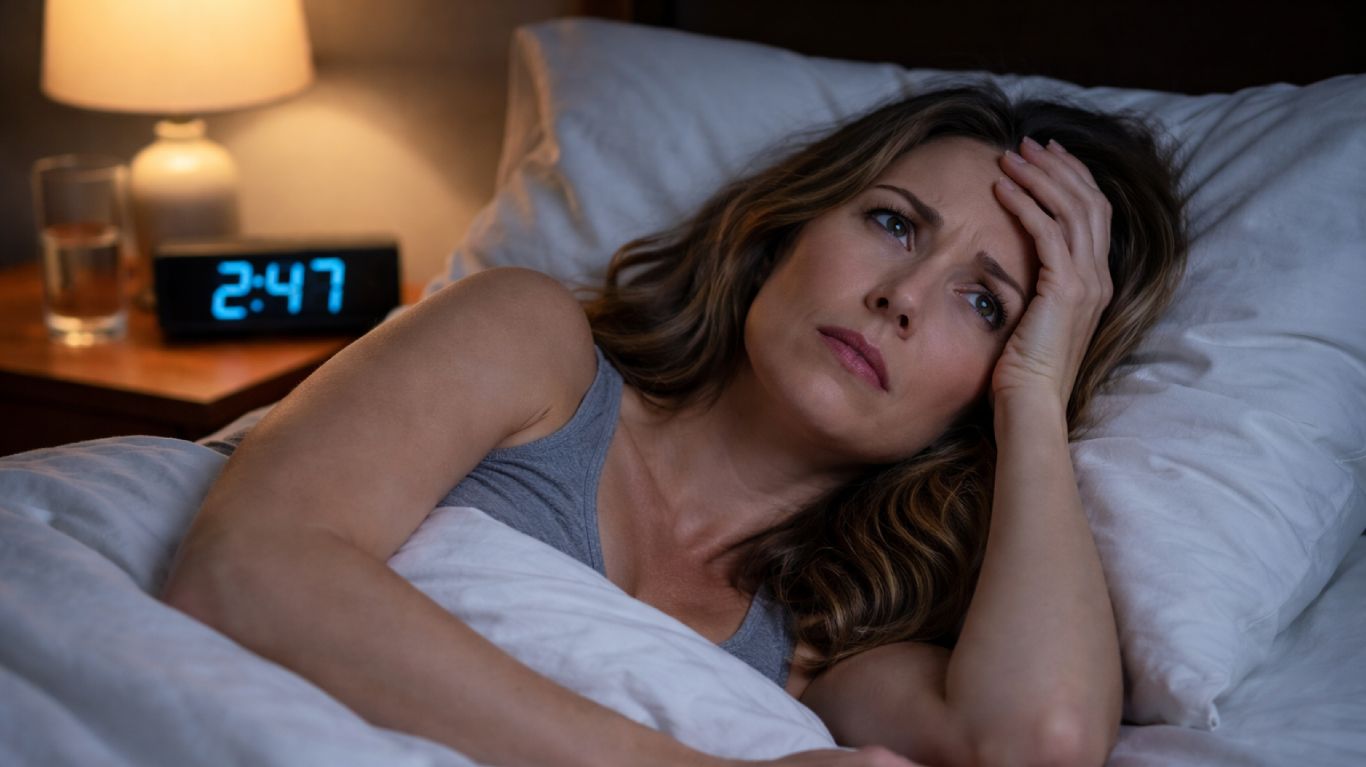
What’s the connection between perimenopause and poor sleep?
During perimenopause, often beginning for women in their 40s, hormones essential for quality sleep begin to fluctuate. Of note, the hormones estrogen and progesterone begin to decline. Estrogen is responsible for helping us maintain a stable body temperature. With the decline of this important hormone, the result is body temperature instability, often triggering hot flashes and night sweats that awaken women from sleep. The hormone progesterone has natural calming, sedative properties that enhance rest and relaxation. With its levels dropping in perimenopause, women often experience much lighter, more interrupted sleep. Another hormone that we see a change in during perimenopause is cortisol. Cortisol is our body’s primary stress manager. It regulates blood pressure, inflammation, metabolism, and the sleep-wake cycle. It naturally peaks in the morning to increase alertness, while dropping in the evening. We find that during perimenopause, cortisol levels increase overall, disrupting the quality of a woman’s sleep at night. The key point here is that significant perimenopausal hormone shifts can cause women to have trouble falling asleep and staying asleep. Furthermore, feeling anxious about not sleeping can worsen the cycle of insomnia. Chronic sleep deprivation heightens the brain’s stress response. It worsens feelings of worry, panic, or emotional exhaustion.
There are ways to address insomnia during perimenopause. The most effective, research-based approach is Cognitive Behavioral Therapy for Insomnia (CBT-I.) It is a structured program that helps people identify and replace thoughts and behaviors causing sleep issues with habits that promote good quality sleep. It is a highly effective treatment and often provides longer-lasting results than sleeping pills. Enhancing sleep hygiene is a crucial component of insomnia treatment. This involves maintaining a cool and dark bedroom, using breathable bedding, and establishing a consistent routine with the time you go to bed and wake up. Avoiding alcohol, nicotine, and caffeine late in the day further aid in enhancing sleep quality. Both nicotine and caffeine heighten arousal, making sleep more difficult. Try switching to herbal teas like chamomile, lavender, or lemon balm, which have natural calming properties.There are a number of herbs and nutritional supplements that can be utilized safely (with prescriber guidance) in treating sleep problems during perimenopause. Additionally, physical activity should be a daily habit, further improving the quality of sleep. (It is important to note that vigorous exercise in the evening can be activating and can worsen sleep, however.) Exercise helps regulate hormones and can calm your nervous system. Hormone therapy (often called hormone replacement therapy or menopausal hormone therapy) can be used to help with insomnia if the sleep issues are directly linked to night sweats.
Sleeping medications (both prescribed and over-the-counter) are considered a last resort in treating insomnia during perimenopause because they carry significant risks of dependency and are habit-forming, often only providing short-term relief rather than curing insomnia. They often cause side effects like next-day grogginess, impaired alertness resulting in safety issues (falls/driving), memory loss, and withdrawal symptoms.
Managing insomnia during perimenopause is essential to preserve cognitive, emotional, and physical health. If not effectively treating their sleep issues, women endure excessive fatigue and suboptimal daytime productivity. Without good management of chronic insomnia during this period there is increased risk of anxiety, depression, and memory issues. Untreated perimenopausal sleep problems can exacerbate conditions like obstructive sleep apnea, cardiovascular issues, and metabolic dysfunction. Working closely with a psychiatric provider who is skilled in dealing with the hormonal impacts of mood and sleep issues is the important keystone step to take in addressing this debilitating perimenopausal problem.